Organisations today are navigating a lot of change. Technology is moving fast, workforces are evolving, and employees expect more from the organisations they work for.
In that environment, purpose is starting to look less like a branding exercise and more like a strategic necessity. At our recent Question-Time style panel discussion, leaders from across the legal sector came together to explore what purpose really means in practice. The conversation focused on how it shapes culture, talent and long-term performance.
Because in a time of rapid change, many professional services firms are asking a simple but important question: what is our purpose?
More than a mission statement
Purpose is often reduced to a line on a website or a mission statement on a slide. But its real impact is much deeper than that. It influences how organisations make decisions, how people work together and how strategy evolves over time.
At the MD Communications panel discussion, chaired by our CEO Melissa Davis, the focus was on how organisations can move beyond rhetoric and embed purpose in a meaningful way. There were different views in the room. Some felt purpose should be clearly articulated, while others argued it should simply be lived through behaviour.
There was strong agreement on one point: purpose is no longer a “nice to have”. When used well, it can shape recruitment, retention, culture and strategic decision-making across an organisation.
Here are five key insights from the discussion.
1. Start with the problem you are trying to solve
One of the strongest messages from the panel was this: don’t start with the statement. Instead, start with the problem.
Leaders should first ask a more fundamental question. What are we actually trying to solve? Sometimes the issue isn’t purpose at all. It might be employee engagement. It might be cultural alignment. Or it could be confusion about what the organisation really stands for.
Treating purpose as a strategic project helps here. That means starting with diagnosis rather than jumping straight to slogans. Data is also essential – several speakers stressed the importance of grounding purpose discussions in evidence, not assumptions. Leaders often have strong views about what motivates people to join or stay. But research and employee data can sometimes tell a different story.
Listening to employees is especially important. Senior leadership conversations only show part of the picture. The lived experience of people across the organisation can reveal a very different reality. When organisations build purpose on real insight rather than top-down assumptions, they are far more likely to create something authentic.
2. Purpose doesn’t always need a perfect sentence
Many organisations assume that purpose must end up as a concise statement or tagline – but the panel challenged that idea.
One example involved a firm that spent a long time exploring its values, history and motivations. When it came to turning those ideas into a single sentence, it proved surprisingly difficult. In the end, the firm decided not to force it. Instead of creating a statement that felt artificial, they focused on understanding who they were and what they stood for.
Looking back, that decision proved valuable. The process itself gave the organisation clarity. Over time, those insights began to appear naturally through stories, behaviours and culture. The lesson is simple: purpose doesn’t always need to be captured perfectly in a single phrase. Sometimes it emerges through actions and shared experiences over time.
3. Authenticity matters more than slogans
Another theme that came up repeatedly was scepticism around corporate straplines. Many organisations struggle to create a single message that resonates with everyone. And that challenge is growing. Today’s workplaces often include multiple generations working side by side. Each group can have very different motivations, priorities and expectations.
In that environment, a single slogan rarely captures what people value most about their work. Instead, the panel emphasised clarity and authenticity. Organisations should focus on communicating honestly about the experience they offer. And just as importantly, they need to make sure reality matches the message. That “say-do gap” can be damaging.
When organisations attract people based on promises that don’t materialise, disengagement and turnover often follow. Purpose therefore depends less on clever wording and more on credibility. In short, it has to be lived, not marketed.
4. Technology will reshape the profession
The conversation also explored the impact of technology, particularly artificial intelligence. There was broad agreement that technology will reshape the way legal work is done. Routine administrative tasks and repetitive processes are increasingly likely to be automated. That could allow lawyers to focus on more complex and strategic work.
For many on the panel, this shift is positive. Removing low-value work could give professionals more time to focus on judgement, creativity and client relationships. However, it also raises challenges.
Traditionally, junior lawyers have developed their skills by working through detailed technical tasks early in their careers. If technology removes many of those tasks, firms will need to rethink how future lawyers gain experience. New forms of training and simulation may help bridge that gap. Access to technology is another issue. Smaller firms and organisations with fewer resources may struggle to adopt new tools at the same pace. Ensuring the benefits of technology are shared across the profession will be an important challenge.
Despite these changes, one point remained clear – the law will always require human judgement. Legal advice involves nuance, context and empathy. These are qualities technology cannot easily replicate.
5. Purpose starts with reflection
The event ended with some practical advice for professionals thinking about their own sense of purpose.
The first suggestion was simple. Take time to think about it. In busy professional lives filled with meetings and deadlines, reflection is often overlooked. Yet stepping back and considering what matters most can provide a valuable guide when difficult decisions arise.
Some speakers suggested writing down personal values or guiding principles. Having that reference point can make it easier to navigate uncertainty throughout a career. Maintaining interests and relationships outside work was another important theme. Legal careers can be demanding, and sustaining wellbeing requires attention to life beyond the office.
Finally, leaders were encouraged to listen closely to their teams. Colleagues often have a clear view of the positive impact people make. Those perspectives can provide powerful insights into both individual and organisational purpose.
Purpose as a driver of culture and performance
One conclusion stood out from the discussion- purpose is far more than a branding exercise. When approached thoughtfully, it can shape culture, strengthen engagement and guide strategic decisions. It can also help organisations navigate major transitions, from generational change in the workforce to rapid technological disruption.
For the legal sector, the real test of purpose will not be how well it is articulated. It will be how consistently it shows up in leadership decisions, organisational culture and client relationships. Firms that embed purpose into the way they operate — not just the way they communicate — are likely to be better positioned for the years ahead.
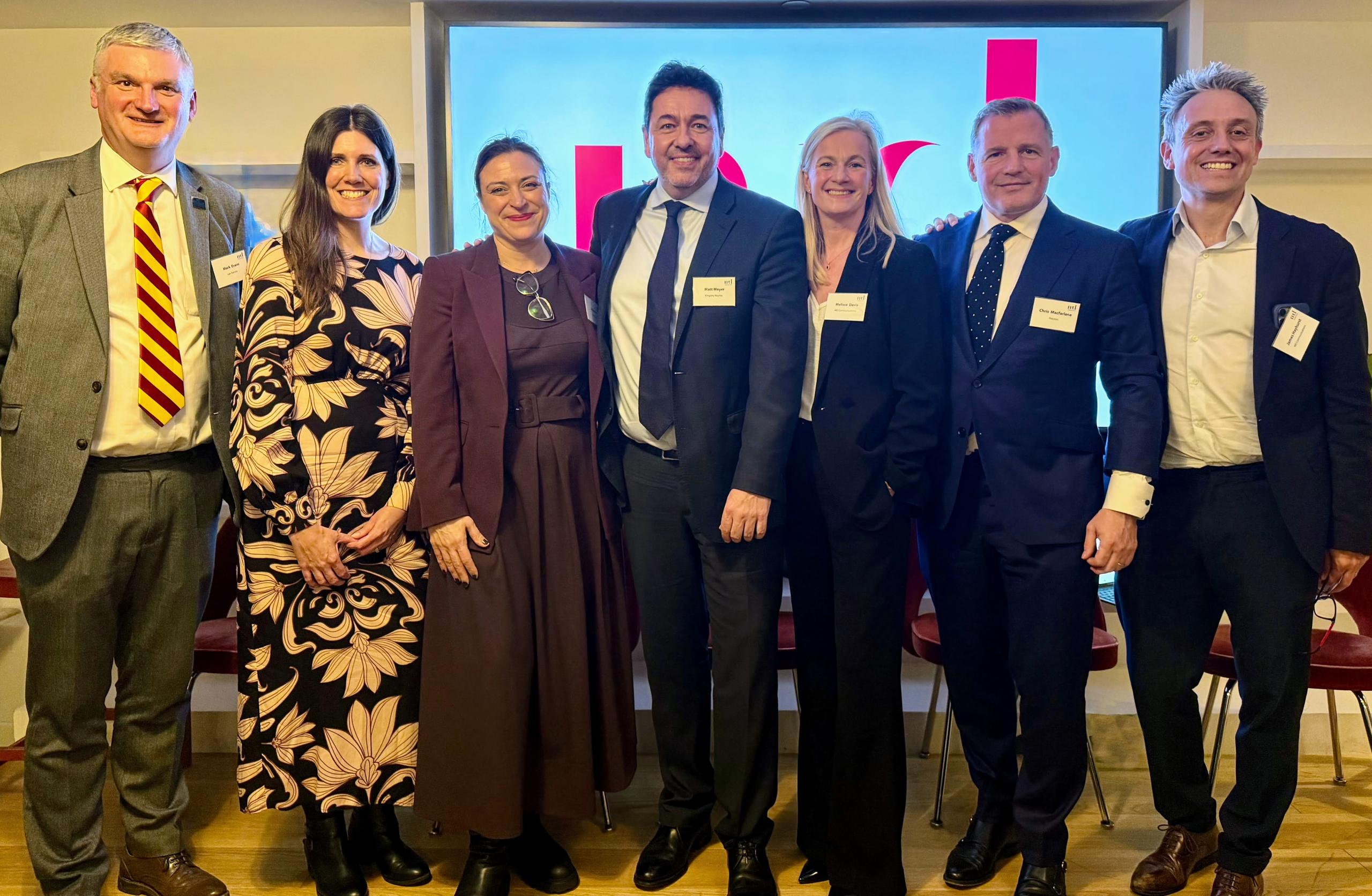
Thank you to our brilliant panel members, Mark Evans, President, The Law Society; Matt Meyer, Managing Partner, Kingsley Napley; Jo Farmer, Joint Managing Partner at Lewis Silkin, Chris Macfarlane, VP & Regional Deputy General Counsel, Peloton; and Kelly Lane, Global Head of Employer Brand, Unilever, expertly chaired by our CEO Melissa Davis and Global Head of Brand James Hayhurst (ex-Unilever), and of course huge thanks to our fantastic and engaged audience.
Want to explore and define your purpose? Take a look at our purpose workshops and and employer brand work